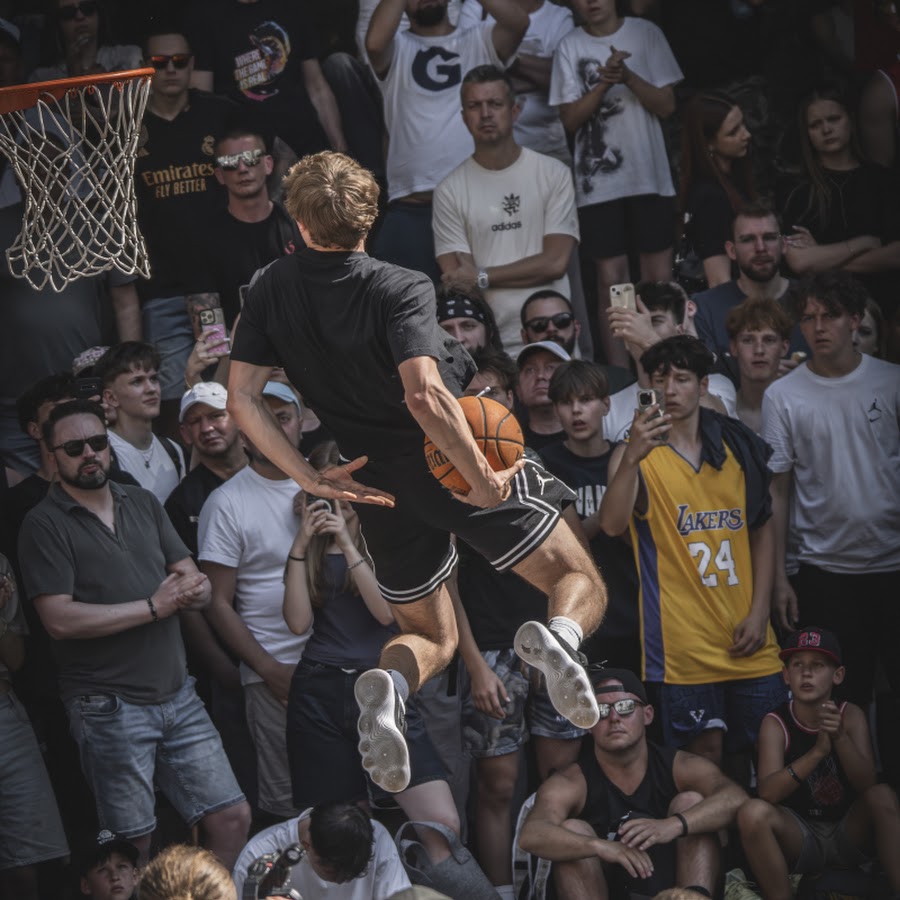
Every day I do hand speed drills that I learned from Jordan Kilganon’s YouTube channel. Not sometimes. Daily. Before an important contest I bring my ball to the gym and spend about an hour doing nothing else. I have been doing this for years in Poland, alone, from a screen.
This summer at The Dunk Camp in Salt Lake City, I met the person who invented those drills. He is the most famous dunker alive. He is also the reason I started, and I said that first, before I said anything about his dunks.
“one of the best dunkers in the world. My inspiration for dunking and everything. And it’s pleasure to finally meet him and to show him my skills.”
Piotr Zawiślak
I Trained Off His Channel Before I Ever Met Him
In another interview at the same camp, Ethan Pimstone, the world record jumper, asked me how I am able to hit the dunks I hit. He wanted to know if it is hand speed training or only reps. I told him exactly where my hands came from.
“I’ve seen some drill at Jordan Kilganon’s channel. And I started doing it a lot.”
Piotr Zawiślak
Then he asked how often, and I do not think he expected the answer.
“Daily… when I’m before a important contest or event I’m bringing my ball to the gym. And I’m spending like one hour just doing it.”
Piotr Zawiślak
I told that whole story in my interview with Ethan about jumping. Two dunk sessions a week, a lot of lifting, and the hands come from a man I had never spoken to in my life. Put the two videos next to each other and the line is very clear.
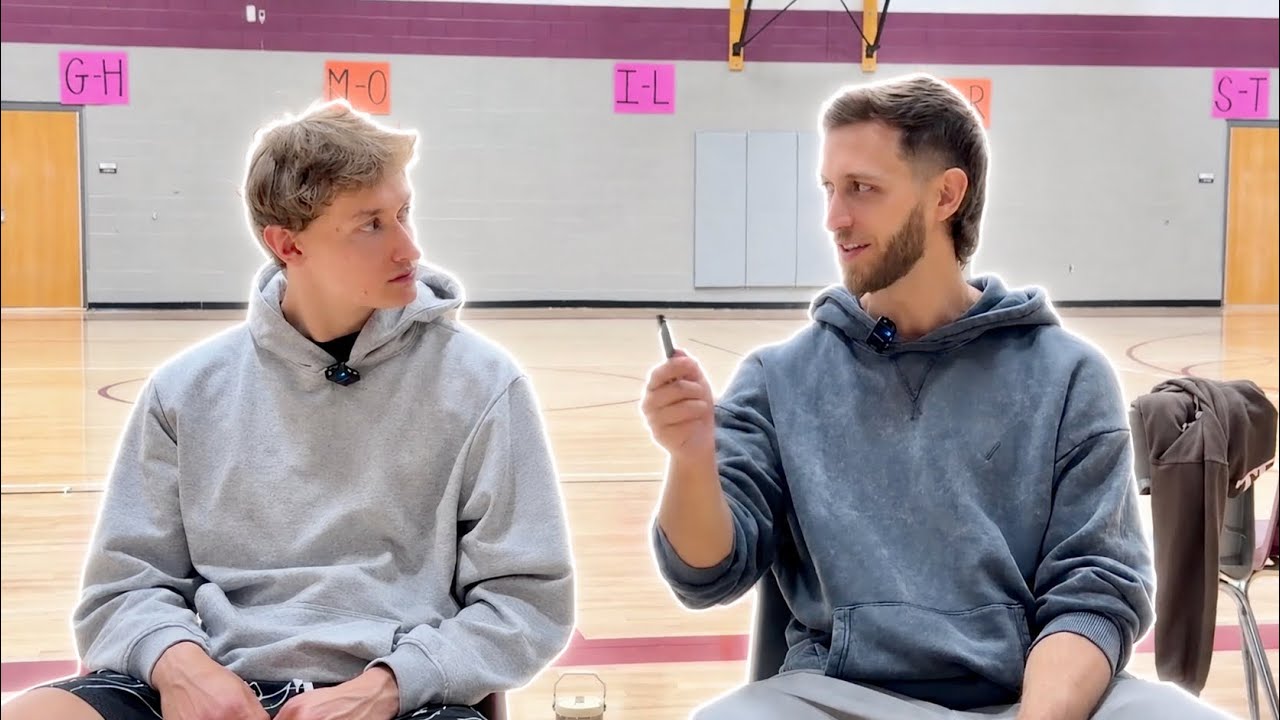
Then I Tried His Drills With Him Standing There
At camp I finally got to do the drills next to the person who made them. It did not go how I imagined it in Poland.
“I was trying to do some of his drills, and I just couldn’t get it, and he was doing it with ease.”
Piotr Zawiślak
From a video you copy the shape of the movement. Standing beside him you see the speed, and you see how relaxed he is while he does it. He is not fighting the ball. I was fighting the ball. Years of daily reps and I still could not match him on his own exercise, in front of him, on the first try.
I was not embarrassed about it. It is good information. Now I know what the finished version of that drill looks like from two meters away instead of through a phone camera, and I know how far I am from it.
What He Said About Me
He watched me dunk that week and then said this with the camera running.
“He’s 18 and he’s doing dunks that took me forever to make, so I’m excited to see what he’s got in the future.”
Jordan Kilganon
My answer was two words, and they were about me and not about him.
“It’s gonna be scary. I’m gonna try my best to be like him.”
Piotr Zawiślak
Later in the same conversation he put it in a way I have thought about every day since.
“There’s nobody that’s been this young that’s doing the stuff that he’s doing.”
Jordan Kilganon
His Warning Was About Getting Used To It
He did not stop at the compliment, and the part after it is the reason I wanted this written down. He said the only thing I have to focus on is staying consistent with my focus and appreciating what I have. Then he described the attitude he does not want me to fall into: travelling all the time, doing crazy dunks, being one of the best dunkers in the world, and treating it like that is just how it is.
“No. You can’t have that kind of attitude.”
Jordan Kilganon
“You need to appreciate every moment and keep earning it.”
Jordan Kilganon
Two years ago I was dunking on outdoor rims and nobody knew my name. It would be stupid of me to start treating a gym in Utah as normal. He has lived ten more years of this than I have, so when he tells me the danger is getting comfortable, I believe him.
Eventually There Is Nobody Left To Chase
Then he said the thing that surprised me most. He told me that right now I am probably competing mentally, in my head, with other dunkers. He is correct. I have a list of people I want to catch, and he is on it.
“eventually, there’ll be no more dunkers to compete with. So it’s gonna be competing with yourself.”
Jordan Kilganon
“I was always scared of that moment.”
Jordan Kilganon
The most famous dunker in the world telling an eighteen year old that he was scared of running out of rivals is not something I expected to hear at camp. I have never once worried about that problem. He has already lived inside it.
How Do I Get Better Without Jumping
He answered his own question in the next sentence, and the answer is where my drills came from.
“That’s why I invented the ball handling drills, is I can only jump so much, but I wanna keep getting better. How do I do that without jumping?”
Jordan Kilganon
So the drills I have been doing every morning for years exist because he hit a wall on one thing and refused to stop improving. He could not add more inches, so he found a different thing to add. That is the whole origin, said out loud, standing next to me, five years after I started copying the result of it off YouTube.
The Dwight Tap Elbow
I also got to watch him perform at camp, which is different from watching him on a phone in Poland.
“seeing him jumping in a show was crazy. The Dwight tap elbow, that was sick.”
Piotr Zawiślak
He is very focused about everything. His ball handling is crazy. He has been doing this for a long time and he still gets up like that in front of a crowd, which tells you he never took his own advice lightly.
I Met Him as a Person
The part I keep telling people back home has nothing to do with dunking.
“It was pleasure to meet him not as a dunker, but as a person.”
Piotr Zawiślak
He was hyping me up while I was dunking. He did not stand there with his arms crossed judging the teenager. He told me all these motivation things without being asked. If you talk about dunking, he is one of the people we should look at, and not only for the dunks.
His last line to me was the simplest one, and it is the one I wrote in my notes that night.
“Be desperate to get better all the time with all your time possible.”
Jordan Kilganon
Where This Sits in My Week
Before this one I wrote about dunking in front of Dunkademics, which was the other camera I had been imagining for years. Next in the series is the best low rim dunker I have ever seen.
This interview exists because Dylan Haugen of Dunk Talk and Dennis Yu of BlitzMetrics taught a session at camp about how athletes get found on Google and in AI tools, and then offered to film anyone who wanted it. They wrote up the method in the repurposing system from camp. Dylan covered the idea about running out of people to beat, Dunker Spotlight framed it as advice to the next great dunker, Athlete Spotlight took it to athletes in other sports, and BlitzMetrics wrote about the ceiling problem behind his drills.
Tomorrow morning I will do the drills again. Same drills, same ball. The difference now is that I have seen what they look like when they are finished, and I have heard the man who built them say he was scared of the day he ran out of people to chase. I have a long time before that is my problem. I plan to use all of it.
Originally published .