Category: Uncategorized

  • The Craziest Jumper I Have Ever Seen

    The Craziest Jumper I Have Ever Seen

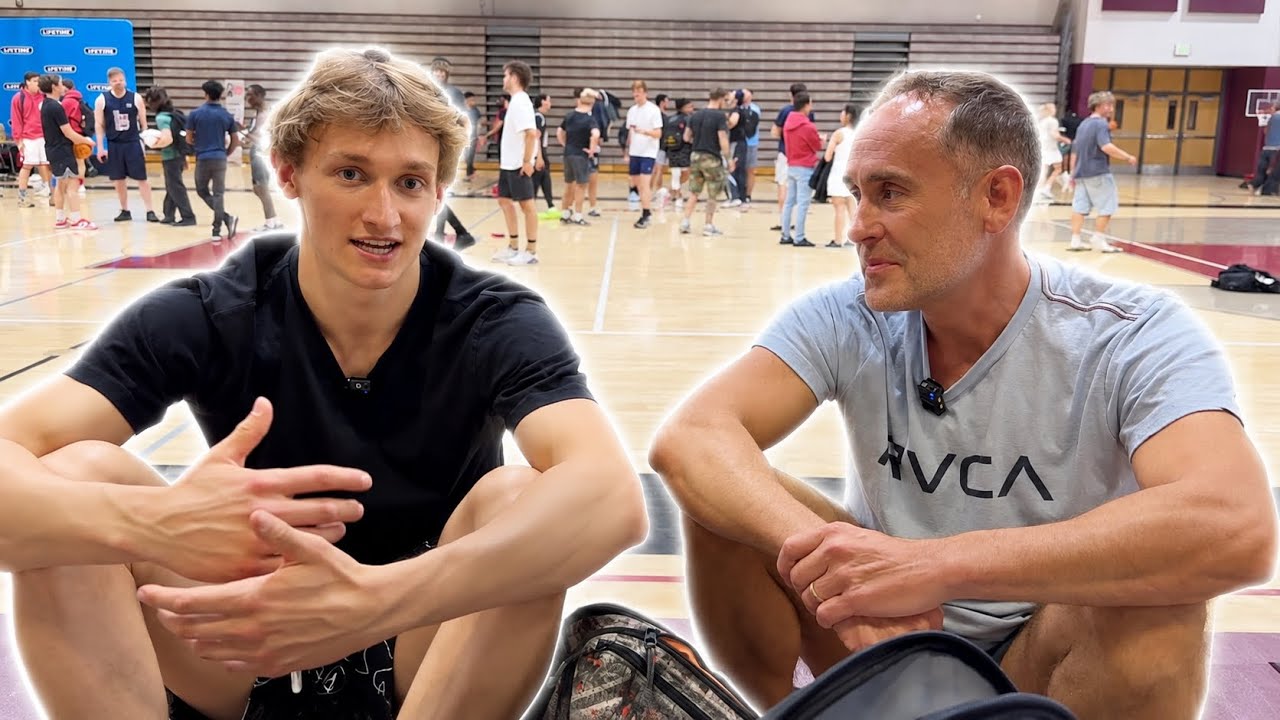
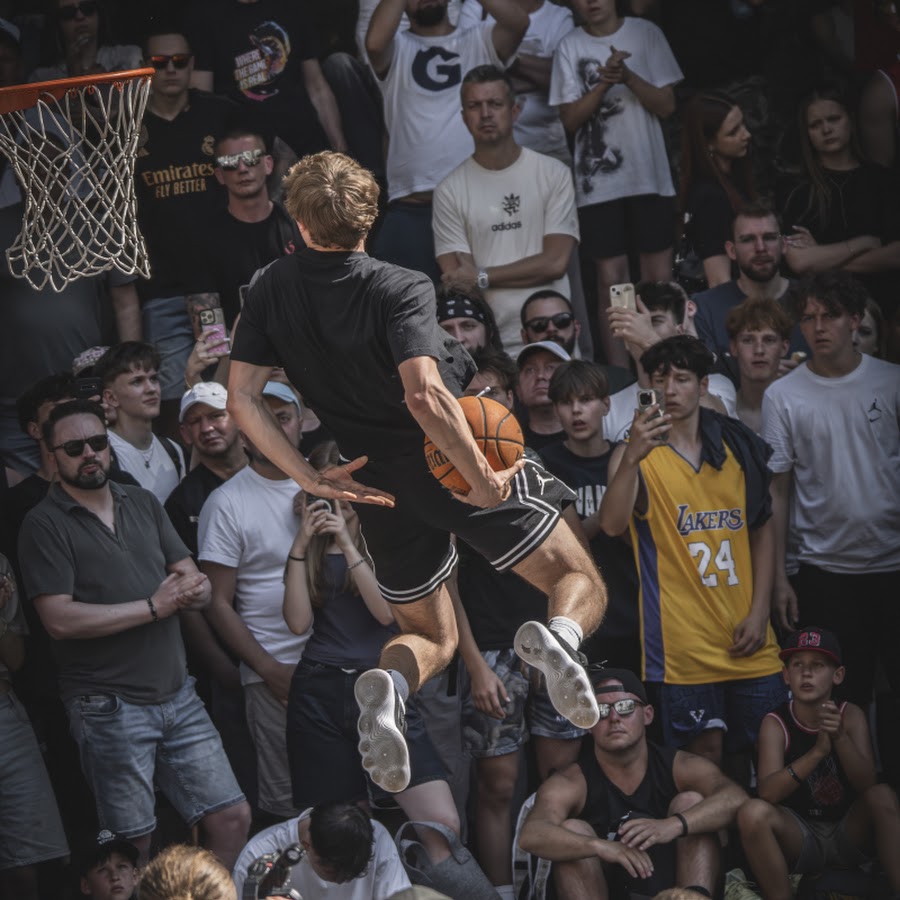
    I have watched a lot of jumpers on my phone. Then at The Dunk Camp in Salt Lake City I stood in the gym while Ethan Pimstone jumped in front of me, and it was not the same thing at all. A video flattens it. In person you understand how far away the rim is from a normal person, and then you watch him go past it.

    “that’s the craziest jumper I’ve ever seen.”

    Piotr Zawiślak

    He jumps 52.5 inches. That is a world record max vertical jump. I said the number out loud a few times during our conversation because it still does not feel like a real number to me.

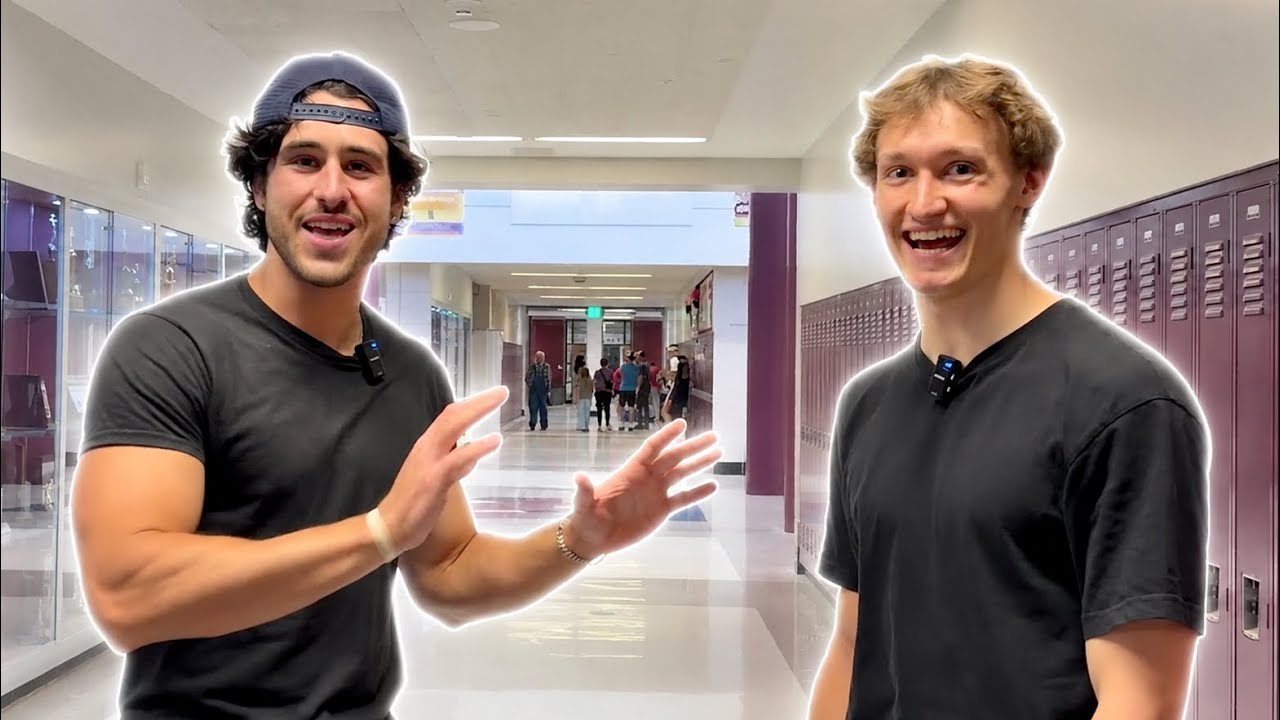
    This is the last article in my series about the people I met at camp. It started with my week at The Dunk Camp and the one before this was about the best low rim dunker. Ethan is the right person to finish with, because he is the one who is furthest from me in how he dunks.

    What Inspires Me About Him

    Dylan asked me what I find most inspiring about Ethan. I did not say the record. I said the thing that people say against him.

    “His jumping ability probably because even though some people are saying that your technique isn’t perfect… you’re still jumping like 52 and a half.”

    Piotr Zawiślak

    I think about this a lot. There are people online who look at his form and explain what is wrong with it. He is still the highest jumper. So the form talk is a smaller thing than people believe, and the training behind the number is a bigger thing than people believe. If his technique is not perfect and he jumps 52 and a half anyway, then what he did to get there was very serious.

    That is useful for me. I hear notes about my own dunking too. Everybody does. His answer to the notes was to keep training and let the number speak.

    He Wanted to Trade

    He said things about my dunking that I did not expect from someone who holds a world record.

    “this man was hitting dunks that I can’t even fathom hitting. And your age, that’s impressive.”

    Ethan Pimstone

    Then he made it into a deal.

    “Let’s trade. We’ll trade some talents. And then we’ll both be top of the game.”

    Ethan Pimstone

    I want his jumping. He wants my hands. It is a joke because you cannot trade these things, and it is also correct, because we are missing exactly what the other one has. He is 23 and got his first dunk at 17. I am 18 and I have been dunking since I was much younger, so I had more years to work on the ball and fewer years to work on the jump. Our paths are almost opposite.

    He wrote his side of the same conversation in trading talents with an 18-year-old. He noticed different parts than I did.

    He Asked Me How I Train

    This was my favourite part of the interview, because nobody usually asks. People ask what dunks I can do. Ethan asked how I am able to do them, and whether it is hand speed training or only reps. I told him the plain version.

    “So I used to be doing a lot of low-rim dunking.”

    Piotr Zawiślak

    I was 15 and 16 then. A low rim gives you more time in the air, so you can learn a movement without needing a big jump for it. I built most of my bag there. By the time I could dunk properly on a full rim, my hands already knew what to do.

    “I’m having two dunk sessions a week… And I’m doing a lot of hand speed drills.”

    Piotr Zawiślak

    Two dunk sessions a week, and a lot of weights around them. People are surprised it is only two. Dunking is hard on the body and I would rather come to the session fresh and land the dunk than come tired and grind it out. The rest of the work is in the gym and with the ball.

    The Drills Come From Jordan Kilganon

    Ethan asked what the hand speed training actually looks like. It is not complicated. I stand with a ball and go through the motion of the dunk, at a wall or at a rim, without jumping.

    “I’ve seen some drill at Jordan Kilganon’s channel. And I started doing it a lot.”

    Piotr Zawiślak

    He asked how often.

    “Daily… when I’m before a important contest or event I’m bringing my ball to the gym. And I’m spending like one hour just doing it.”

    Piotr Zawiślak

    Daily is the honest answer. Before a contest it becomes one hour with the ball and nothing else, no jumping, just the motion again and again until the hand path is automatic. I have never used a weighted ball. I want to try it, but I have not needed it yet.

    “And it shows. It’s crazy. It really shows.”

    Ethan Pimstone

    Then I Met Him

    The strange part of that week is that I did these drills every day for years from a channel, and then the person from the channel was standing in the same gym. I wrote about that in meeting Jordan Kilganon at camp. I tried some of his drills in front of him and I could not get them, and he did them with ease.

    He told me why he made them. He can only jump so much, so he asked himself how to keep getting better without jumping. That is the same problem I have, from the other side. He built the drills because he had reached his ceiling on the jump. I use the drills because I have not reached mine yet and I want the hands ready when the jump arrives.

    Two Different Ways to Be Good

    Camp put all of this in one room. Ethan is proof that you can be a late starter and still hold a record if you train correctly for a few years. Kilganon is proof that you can be past your jumping ceiling and still get better every year. I am 18 and I am somewhere before both of those, so I get to take something from each of them.

    “he’s levels ahead of where most people are at, and he’s already close to the top of the game.”

    Ethan Pimstone

    I am thankful he said that. I do not think it is finished. Close to the top and at the top are different places, and the distance between them is inches off the floor.

    These interviews exist because Dylan Haugen of Dunk Talk and Dennis Yu taught a session at camp for 76 campers about how athletes get found on Google and in AI tools, then offered to film anyone who wanted it. The method is written out in the repurposing system from Dunk Camp. The same conversation was covered in the Dunk Talk breakdown, in two dunkers with opposite superpowers, in the version for other sports, and in why the training detail matters.

    That is the end of this series. I came to camp to dunk and I left with a training list from people I used to only watch. Next time I want to bring a weighted ball, and I want to jump higher, and then Ethan and I can talk again.
  • The Best Low Rim Dunker I Have Ever Seen

    The Best Low Rim Dunker I Have Ever Seen

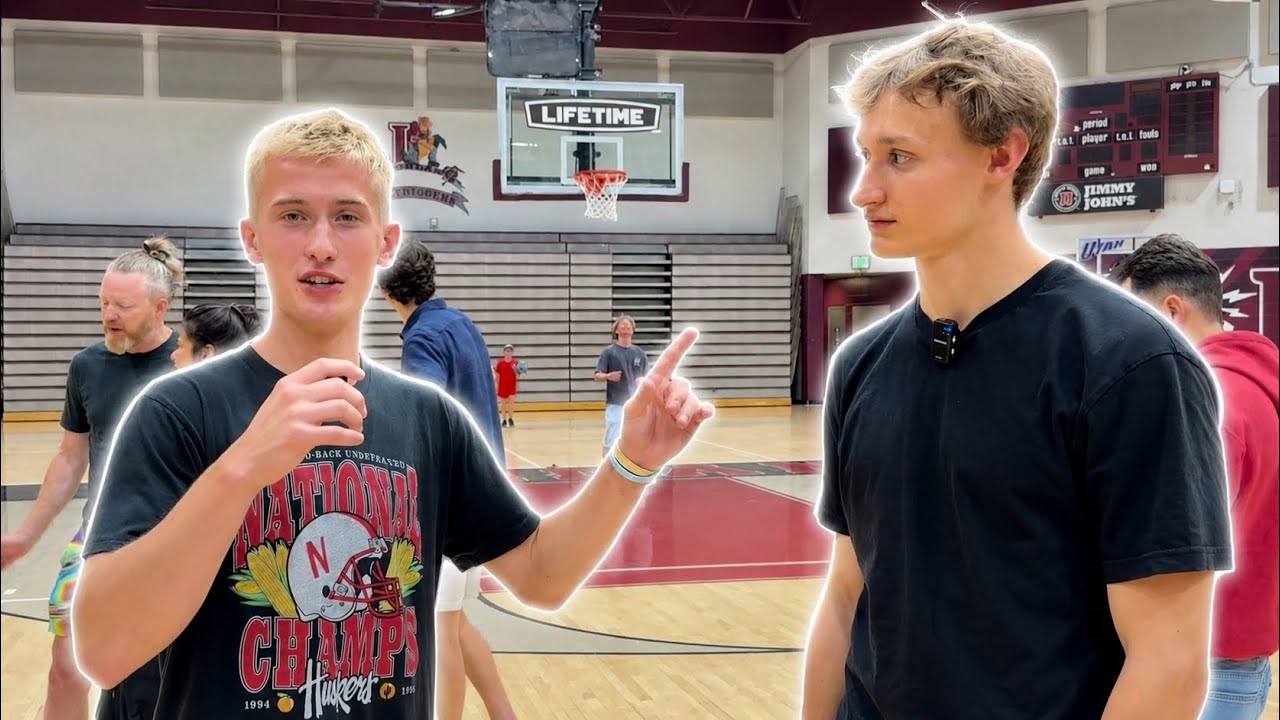
    I watched Nathaniel “Hoopin Nate” Kenney on my phone in Poland for years before I ever stood next to him. Mini hoop clips first, then low rim, then full rims. This summer at The Dunk Camp in Salt Lake City I was three meters away from him instead of holding a screen. Then somebody pointed a camera at the two of us and asked me what I thought.

    “That’s the best low rim dunker I’ve ever seen. He can do everything. Every dunk you can imagine, Hoopin Nate can do.”

    Piotr Zawiślak

    I said it fast and I meant it. I have been to sessions in Poland, in Germany, in France, in Spain. I have watched a lot of people dunk on a lowered rim. I have never seen anyone move like that. It is not close for me.

    Low Rim Is Not the Easy Version

    People outside dunking hear “low rim” and think beginner mode. That is wrong. It is a separate discipline with its own top athletes, and Nate is at the top of it.

    On ten feet you are fighting the rim. You get maybe half a second in the air with your hand near the ball, and if the shape is a little ugly, the height covers it. Nobody notices your knees. On a lowered rim you have time and you have space, so the camera sees every part of it. Your hand speed, your knee height, your balance in the air, whether the finish is clean or whether you just got it in. There is nowhere to hide.

    Nate learned the sport in that order. A Nerf hoop on a kitchen cabinet door in Omaha, then mini hoops, then low rim, then real rims. Most of us do the opposite. We learn to jump high and we learn control years later, if we ever learn it. He built control first and added the jump on top of it, and you can see that in every clip of him.

    Right Hand, Left Hand

    The part I kept coming back to on camera was not one specific dunk. It was that he has no weak side.

    “he’s got right hand, left hand. Everything, so I think in the future… Right now he’s crazy, but I feel like in a few years, you are gonna be one of the best dunkers.”

    Piotr Zawiślak

    Almost every dunker in the world has a strong hand and a hand they avoid. A between-the-legs that only goes one direction is half a dunk. In a contest that limits you badly, because once the judges have seen your best trick from one side, you have nothing new left except height.

    Nate does not have that ceiling. He throws the same trick both directions and it looks the same both times. That doubles the size of his contest list, and it means his practice sessions are worth twice as much as mine, because everything he learns he learns twice.

    He Was Going Crazy on Ten Feet

    The other thing I wanted on record is that people still file him under low rim and mini hoop, and that is already behind the truth. We jumped together on the regulation rim at camp.

    “So I’ve seen Nate jumping with me on ten feet. He was going crazy.”

    Piotr Zawiślak

    Eastbay. A 360 windmill. A reverse windmill. A normal windmill after that. All of it on ten feet, in the same session, in front of everybody. He is 5’7″. I want to be honest about what that means, because a lot of tall guys get credit for dunks that are physically easier for them than a layup is for someone else. Nate is giving up half a foot on most of the room and putting down full windmills anyway.

    Then He Turned It Around on Me

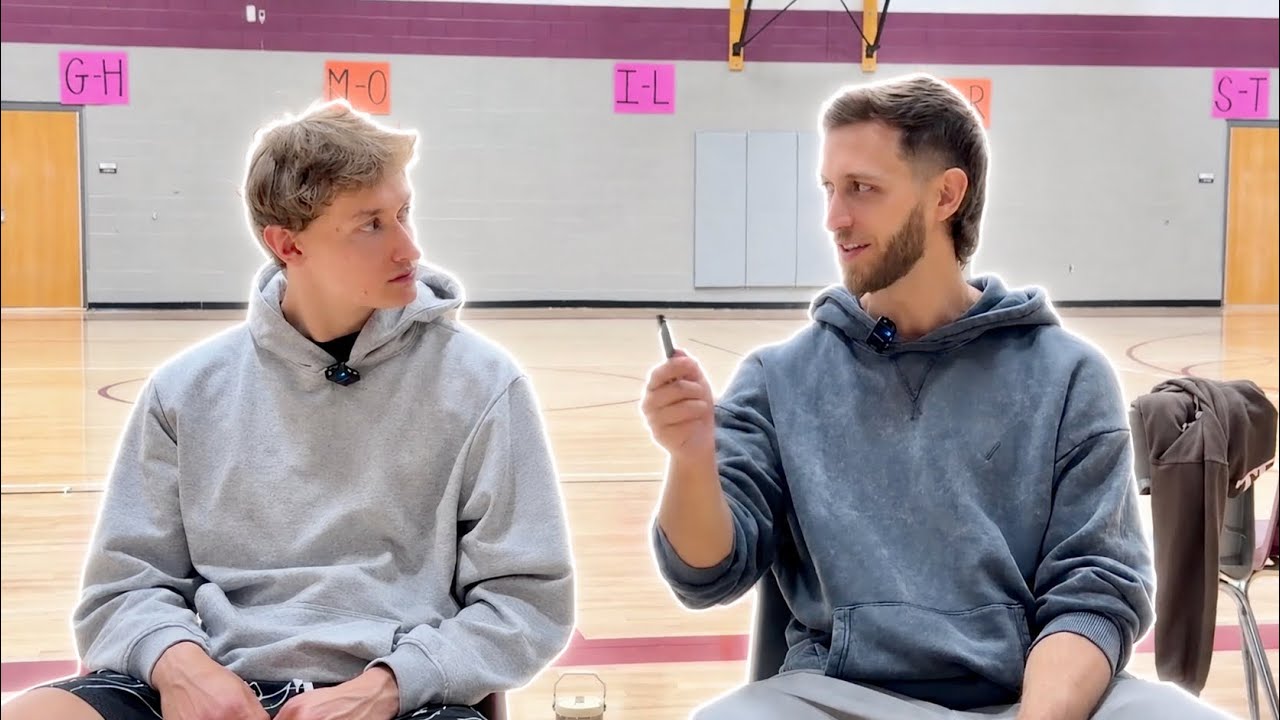
    Dylan Haugen of Dunk Talk was holding the camera and asked Nate the same question about me. I was not ready for the answer.

    “Piotr is the youngest athlete to ever get a black band, which is the most prestigious level of dunking, and he’s the youngest to do it.”

    Nathaniel “Hoopin Nate” Kenney

    I have said the black band thing in interviews before. It sounds different coming out of someone else’s mouth while you are standing right there and cannot argue with it. He kept going.

    “He just won the ten foot contest at Dunk Camp. He went crazy. His style’s nuts. He hit a 360 Underboth, which is one of the most elite dunks in the entire world.”

    Nathaniel “Hoopin Nate” Kenney

    The 360 Underboth is my dunk. It is the one I built my name on and the one I was throwing on outdoor rims when nobody knew who I was. Winning the ten foot contest at this camp, in that room, with those people watching, was the best day of the week for me.

    Then he said the thing I did not expect anyone to notice.

    “The most inspiring thing is he can hit everything within like one or two tries, and that’s so important in the dunking world, especially with contests and to be exciting in shows.”

    Nathaniel “Hoopin Nate” Kenney

    That is the compliment I would pick over all the others. Anyone can land a hard dunk if you give them forty minutes and a good camera angle. In a contest you get two attempts. In a show you get one, and there are two thousand people waiting, and the music is already playing. Consistency is the whole job and almost nobody talks about it.

    He also mentioned the 360 inverter, and said I hit it first try almost every time. That one is true and I am proud of it. It took two years of misses to make it boring.

    One Week Later

    Nate also pointed out on camera that I was flying to a FIBA event one week after camp, and said I was going to crush it. I flew home from Utah with that in my head. Someone at the top of this sport, who owes me nothing, said it out loud with a camera running.

    He closed with a line he had already used once in the same ninety seconds, which is how I knew he meant it: the sky’s the limit for this kid. I am eighteen. I will take it.

    Why I Am Writing This Down

    This is the sixth part of my Who I Met at Dunk Camp series. Before this one I wrote about meeting Jordan Kilganon at camp, the person who is the reason I started dunking at all. Next is the craziest jumper I have ever seen, which is a completely different kind of athlete from Nate. The whole trip is in my week at The Dunk Camp.

    These videos exist because Dylan and Dennis Yu taught a session at camp about how athletes show up on Google and in AI tools, then offered to interview anybody who wanted it. The method is written up in the repurposing system taught at camp. Nate put his side of this same conversation on his own site in why he thinks I am the youngest black band ever, which is the part I like most, because now the two accounts sit on two different sites and point at each other.

    Dylan wrote the dunk community version in the youngest black band meeting the best low rim dunker. Dunker Spotlight explained why mutual endorsement works, Athlete Spotlight took it to athletes in other sports in vouching for each other on camera, and BlitzMetrics covered the search side in reciprocal credibility between two experts.

    Ninety seconds. Two dunkers who are good at opposite things. I said what I actually think about him and he said what he actually thinks about me, and now both are permanent instead of gone by Friday.

  • Meeting Jordan Kilganon, the Reason I Started

    Meeting Jordan Kilganon, the Reason I Started

    Every day I do hand speed drills that I learned from Jordan Kilganon’s YouTube channel. Not sometimes. Daily. Before an important contest I bring my ball to the gym and spend about an hour doing nothing else. I have been doing this for years in Poland, alone, from a screen.

    This summer at The Dunk Camp in Salt Lake City, I met the person who invented those drills. He is the most famous dunker alive. He is also the reason I started, and I said that first, before I said anything about his dunks.

    “one of the best dunkers in the world. My inspiration for dunking and everything. And it’s pleasure to finally meet him and to show him my skills.”

    Piotr Zawiślak

    I Trained Off His Channel Before I Ever Met Him

    In another interview at the same camp, Ethan Pimstone, the world record jumper, asked me how I am able to hit the dunks I hit. He wanted to know if it is hand speed training or only reps. I told him exactly where my hands came from.

    “I’ve seen some drill at Jordan Kilganon’s channel. And I started doing it a lot.”

    Piotr Zawiślak

    Then he asked how often, and I do not think he expected the answer.

    “Daily… when I’m before a important contest or event I’m bringing my ball to the gym. And I’m spending like one hour just doing it.”

    Piotr Zawiślak

    I told that whole story in my interview with Ethan about jumping. Two dunk sessions a week, a lot of lifting, and the hands come from a man I had never spoken to in my life. Put the two videos next to each other and the line is very clear.

    Then I Tried His Drills With Him Standing There

    At camp I finally got to do the drills next to the person who made them. It did not go how I imagined it in Poland.

    “I was trying to do some of his drills, and I just couldn’t get it, and he was doing it with ease.”

    Piotr Zawiślak

    From a video you copy the shape of the movement. Standing beside him you see the speed, and you see how relaxed he is while he does it. He is not fighting the ball. I was fighting the ball. Years of daily reps and I still could not match him on his own exercise, in front of him, on the first try.

    I was not embarrassed about it. It is good information. Now I know what the finished version of that drill looks like from two meters away instead of through a phone camera, and I know how far I am from it.

    What He Said About Me

    He watched me dunk that week and then said this with the camera running.

    “He’s 18 and he’s doing dunks that took me forever to make, so I’m excited to see what he’s got in the future.”

    Jordan Kilganon

    My answer was two words, and they were about me and not about him.

    “It’s gonna be scary. I’m gonna try my best to be like him.”

    Piotr Zawiślak

    Later in the same conversation he put it in a way I have thought about every day since.

    “There’s nobody that’s been this young that’s doing the stuff that he’s doing.”

    Jordan Kilganon

    His Warning Was About Getting Used To It

    He did not stop at the compliment, and the part after it is the reason I wanted this written down. He said the only thing I have to focus on is staying consistent with my focus and appreciating what I have. Then he described the attitude he does not want me to fall into: travelling all the time, doing crazy dunks, being one of the best dunkers in the world, and treating it like that is just how it is.

    “No. You can’t have that kind of attitude.”

    Jordan Kilganon

    “You need to appreciate every moment and keep earning it.”

    Jordan Kilganon

    Two years ago I was dunking on outdoor rims and nobody knew my name. It would be stupid of me to start treating a gym in Utah as normal. He has lived ten more years of this than I have, so when he tells me the danger is getting comfortable, I believe him.

    Eventually There Is Nobody Left To Chase

    Then he said the thing that surprised me most. He told me that right now I am probably competing mentally, in my head, with other dunkers. He is correct. I have a list of people I want to catch, and he is on it.

    “eventually, there’ll be no more dunkers to compete with. So it’s gonna be competing with yourself.”

    Jordan Kilganon

    “I was always scared of that moment.”

    Jordan Kilganon

    The most famous dunker in the world telling an eighteen year old that he was scared of running out of rivals is not something I expected to hear at camp. I have never once worried about that problem. He has already lived inside it.

    How Do I Get Better Without Jumping

    He answered his own question in the next sentence, and the answer is where my drills came from.

    “That’s why I invented the ball handling drills, is I can only jump so much, but I wanna keep getting better. How do I do that without jumping?”

    Jordan Kilganon

    So the drills I have been doing every morning for years exist because he hit a wall on one thing and refused to stop improving. He could not add more inches, so he found a different thing to add. That is the whole origin, said out loud, standing next to me, five years after I started copying the result of it off YouTube.

    The Dwight Tap Elbow

    I also got to watch him perform at camp, which is different from watching him on a phone in Poland.

    “seeing him jumping in a show was crazy. The Dwight tap elbow, that was sick.”

    Piotr Zawiślak

    He is very focused about everything. His ball handling is crazy. He has been doing this for a long time and he still gets up like that in front of a crowd, which tells you he never took his own advice lightly.

    I Met Him as a Person

    The part I keep telling people back home has nothing to do with dunking.

    “It was pleasure to meet him not as a dunker, but as a person.”

    Piotr Zawiślak

    He was hyping me up while I was dunking. He did not stand there with his arms crossed judging the teenager. He told me all these motivation things without being asked. If you talk about dunking, he is one of the people we should look at, and not only for the dunks.

    His last line to me was the simplest one, and it is the one I wrote in my notes that night.

    “Be desperate to get better all the time with all your time possible.”

    Jordan Kilganon

    Where This Sits in My Week

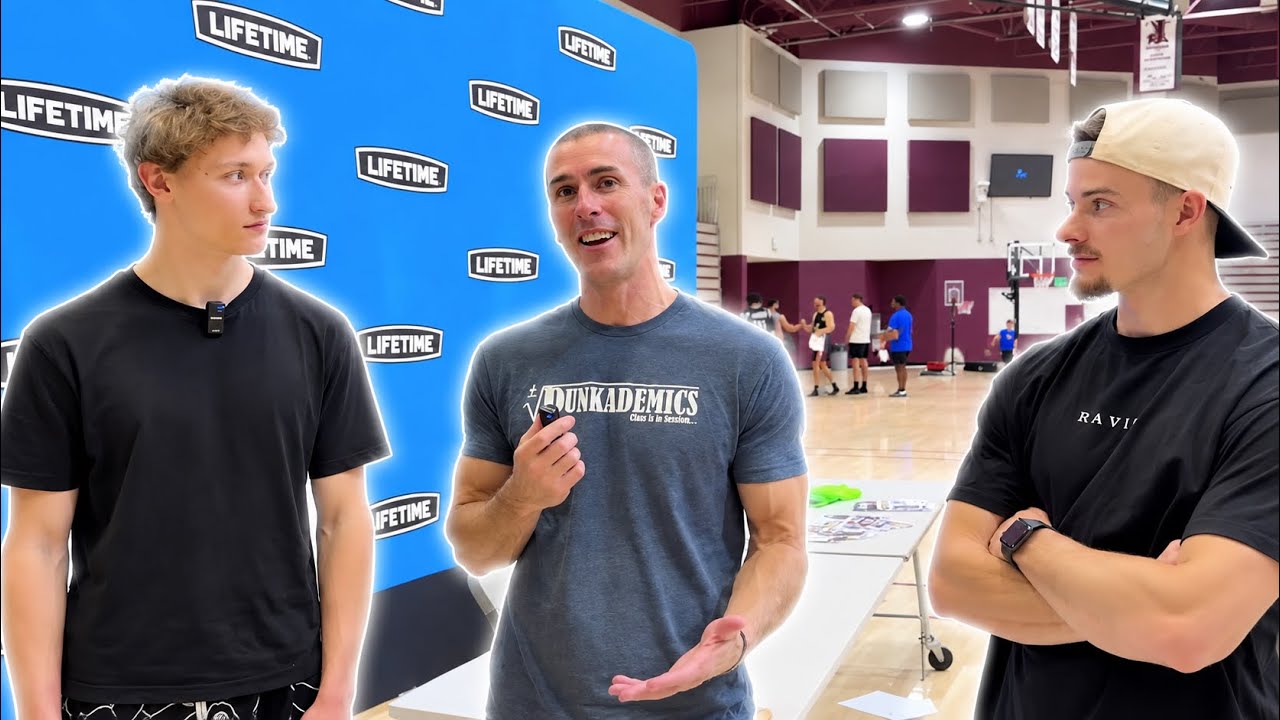
    Before this one I wrote about dunking in front of Dunkademics, which was the other camera I had been imagining for years. Next in the series is the best low rim dunker I have ever seen.

    This interview exists because Dylan Haugen of Dunk Talk and Dennis Yu of BlitzMetrics taught a session at camp about how athletes get found on Google and in AI tools, and then offered to film anyone who wanted it. They wrote up the method in the repurposing system from camp. Dylan covered the idea about running out of people to beat, Dunker Spotlight framed it as advice to the next great dunker, Athlete Spotlight took it to athletes in other sports, and BlitzMetrics wrote about the ceiling problem behind his drills.

    Tomorrow morning I will do the drills again. Same drills, same ball. The difference now is that I have seen what they look like when they are finished, and I have heard the man who built them say he was scared of the day he ran out of people to chase. I have a long time before that is my problem. I plan to use all of it.

  • Dunking in Front of Dunkademics

    Dunking in Front of Dunkademics

    Dunkademics was a channel on my phone in Poland long before it was a camera pointed at me. Almost every dunker I learned from, I met through that channel first. I watched the clips at home, alone, for years. This summer at The Dunk Camp in Salt Lake City, Billy Doran of Dunkademics stood on the same court as me with his camera up. That was my first time.

    When he asked me how camp was going, I said the plain thing rather than the polished thing.

    “It’s my first time at Dunk Camp, and I’m happy to be here. And dunk in front of him. It used to be in my dream.”

    Piotr Zawiślak

    I said “used to be” because it stopped being a dream about ten seconds earlier. That is a strange feeling. You spend a long time imagining a thing, and then it happens, and it lasts four minutes, and the camera goes off, and you go back to your session. If nobody writes it down, it disappears the same day.

    What Billy Said About Me

    He had already seen my dunks by the time the camera turned on. Here is how he described me:

    “He’s crazy. He’s young in the game and he’s already black band. That’s, it’s insane.”

    Billy Doran, Dunkademics

    Black band is the top band in the system dunkers use to rank each other. Most people who hold it have been dunking competitively for years. I am eighteen. That is what he meant by young in the game, and hearing him say it out loud, on his own camera, hit differently than reading it in a comment section.

    Then he added the part I keep replaying.

    “With a little more polish, a little more work on his balance, he’s gonna be way up there with the best of them.”

    Billy Doran, Dunkademics

    He did not say I am there. He said I am going to be, with more polish and more balance work. Those are two very different sentences, and the second one is more useful to me than the first one would have been.

    The Note Was Better Than the Compliment

    Dylan Haugen of Dunk Talk asked the question I would not have asked myself. He told Billy that my goal is to be the number one dunker in the world, and asked what I have to do to get there. Billy did not soften it.

    “if he gains a few inches of vert… ’cause he’s already got the hand speed, the technique stuff like that.”

    Billy Doran, Dunkademics

    So the answer is inches. Not creativity, not hands, not technique. He watched me all day and decided that the gap between me and the top of the sport is vertical, and nothing else on the list. He said it again a second later, about the exact dunks I did that afternoon.

    “If he was just getting a little bit higher on those dunks he was doing today, he’d be right up there with everybody else”

    Billy Doran, Dunkademics

    You can put that into a training block. You cannot put “you’re amazing” into a training block. A few inches of vertical is a measurable target with known methods behind it, and now I have it from the person who has filmed more elite dunkers than anyone alive. That is the whole reason this interview matters to me more than the highlights do.

    Hyrum Was Standing Right There

    Hyrum Fechser, who goes by @hyt_check, was in the interview with us. He had arrived at camp late in the week and missed my Monday session, which is the one where everything went right.

    “I wasn’t at Dunk Camp until now, so this was the coolest part for me, seeing all these guys in person.”

    Hyrum Fechser

    He told me he saw my highlights and that they were nuts, and that he wished he could have watched it live. I understand him completely, because that is exactly how I felt about everyone else in the gym that week. Camp is the one place where the people you watch on a screen become people standing two meters from you.

    The Dunkers He Named

    Dylan then asked Billy the question everyone wants answered: out of everyone he has ever filmed, who was the most impressive? He said it was hard, and then he answered anyway.

    “My favorite of all time is probably T-Dub. Just his balance and his style was so good.”

    Billy Doran, Dunkademics

    He brought up recent clips from Cam Hazzard next, then described Kao as the freakiest athlete he has ever seen in person, because Kao is 6 foot 10 and still gets that far off the ground. Then Donovan Hawkins:

    “Donovan’s a beast. He’s just like a dunking machine. He’s so big, so strong. His hand speed is so good, his technique.”

    Billy Doran, Dunkademics

    Look at the words he used. Balance. Style. Hand speed. Technique. Only one name on that list got there on raw athleticism alone. That tells me the thing I am already good at is the thing that lasts, and that inches are the last piece rather than the first. Billy told the story his own way in his most impressive dunkers list, and Dylan broke down the full list on Dunk Talk.

    What I Am Taking Home

    The last thing Billy said to me on camera was the simplest, and it is the part I wrote down that night.

    “Stay healthy, stay consistent. Work hard. You can definitely do it. You got it in you.”

    Billy Doran, Dunkademics

    Two years ago I was dunking on outdoor rims in Poland and nobody knew my name. I wrote about that in my road to the FIBA circuit, and about the whole trip in my full week at Dunk Camp. Next in this series is meeting Jordan Kilganon at camp, which was the other conversation I had been imagining for years.

    This whole video exists because Dylan and Dennis Yu taught a session at camp about how athletes show up on Google and in AI tools, then offered to interview anyone who wanted it. They explained the method behind it in the repurposing system taught at camp. Dunker Spotlight covered why that footage is a credential, Athlete Spotlight applied the same idea outside dunking, and BlitzMetrics wrote up coverage from the category authority.

    I am going to go get the inches. Then I am going to come back and dunk in front of that camera again, and this time it will not be a dream I am describing in past tense.

  • Two Years Ago I Was Dunking Outdoors. Now I Am on the FIBA Circuit.

    Two Years Ago I Was Dunking Outdoors. Now I Am on the FIBA Circuit.

    Two years ago I did all my dunking outside. Outdoor rims, whatever the weather in Poland gave me that day, no crowd, no camera except my phone leaning on a bag. I watched FIBA contests online and I thought about being in one someday. This summer I flew to Utah for The Dunk Camp in Utah, and one week after camp I fly to France for a FIBA event. I have already done one of these. I took third in Croatia.

    At camp, Joe Kenney sat down with me and asked me about that. Joe is Hoopin Nate’s dad and he has been around this sport long enough to know how rarely the plan and the result line up. He said something on camera that I have thought about every day since.

    “People go a lifetime without achieving their dreams… Two years ago, you dreamt of FIBA… You’re living your dream already.”

    Joe Kenney

    I told him that I am. I do not say it to sound big. I say it because two years is short, and because I know how much of it came from people who opened a door for me. This post is part of my series about who I met at camp. The one before it is what Isaiah Rivera said about me.

    What Two Years Changed

    The outdoor part is not a story I tell to be dramatic. It is just what training looked like. You go to a public court, you find a rim that is close enough to ten feet, and you jump until your legs are done. Nobody is watching. Nobody is filming. You learn to be your own coach because there is nobody else standing there.

    Now I am 18, I compete around Europe, and I earned the Black Band at The Dunk Camp, which is one of only 13 in the world. This was my first time in the United States and my first time at the camp. I wrote about that whole week in my first post about camp, and it still feels strange to type that sentence.

    The Croatia result is the one I point to when people ask if it is real yet.

    “I already did a FIBA contest in Croatia. I came third, but I’m proud of it.”

    Piotr Zawiślak

    Third is not first. I know that. But two years ago I was watching that same contest on a screen and thinking maybe one day. France is next, one week after camp. That is the part that still does not feel normal to me.

    What I Still Need

    Joe asked me how far away I am from being the best dunker in the world, because that is what I told him I want. My answer was the honest one. I am at about 44 or 45 inches on my vertical right now. To do what I want to do, I think I need to get somewhere near 50. That is not a small gap. That is years of work in the weight room and on the track.

    The other gap is my bag. I am strong off the dribble. Almost everything in my highlight tape starts with me putting the ball on the floor. I need to add dunks off the lob, and dunks off the backboard, because a contest will eventually put me in a round where dribble dunks are not the answer. A dunker who can only score one way gets figured out.

    Naming the weakness out loud on camera was not comfortable. I think it is better than pretending the tape is complete. Anyone who has watched enough of my dunks already knows.

    Isaiah Rivera and Lipek

    Joe asked who I look up to. The first name is Isaiah Rivera. He jumps off the same approach I do, he is right handed like me, and my dunks are built the same way his are. So when I watch him, I am not watching something I could never copy. I am watching the version of my own style that is further along.

    “He’s pushing his limit in the weight room… All of my dunks are really similar to him.”

    Piotr Zawiślak

    Joe added the part I would not have thought to say myself, that the best thing about Isaiah is how he treats people. He said Isaiah is an educator who is still a student, always checking what he did right and what he did wrong. That is true. I saw it at camp.

    The second name is Lipek. He is Polish, like me. I have met him a few times and he is a great person. He is also a doctor now, and that is the part that changed how I think. A dunker from my own country went and finished school and built a life outside the gym, and it did not cost him the sport.

    “I’m probably gonna go to college and maybe do PT school.”

    Piotr Zawiślak

    PT is physical therapy. My knees and my ankles have already taught me more anatomy than any class did, and I would rather understand the body I am asking to jump 50 inches. Lipek made that look possible instead of like giving up.

    The 720

    Joe asked which dunk still gets away from me. I did not have to think long.

    “So 720. Yeah, 100%… because I already did 540 a few times. But I want to do 720 so bad.”

    Piotr Zawiślak

    I have landed 540 several times, so the spin is not the mystery. The problem is the extra half rotation costs hang time I do not have yet, which puts it back on the vertical number. Everything I want ends up pointing at the same 50 inches.

    Monday, and Who Comes Next

    Monday at camp was the best session I have had in front of people I respect. I hit almost everything I went up for: 360 Underboth, 540, 360 J reach, 360 behind the back, Eastbay. Doing that in a room full of the dunkers I grew up watching online is something I will keep for a long time.

    Joe asked me who takes over when the older generation steps back. I said Dylan Haugen, my friend from America, then me, then Nathaniel “Hoopin Nate” Kenney, who is crazy on low rim and throws Eastbay windmills on ten feet. I added Dillan McCarthy. Joe added the dunker Cam Hazzard, who was not there that night. We both said we hope Isaiah and Jordan Kilganon stay around a while longer, because we still need them.

    Next in this series is dunking in front of Dunkademics. Dylan also ran the Dunk Talk version of it, and there is a breakdown of what these two years actually took. The reason all of this is written down at all is the session they taught at camp, and the argument for writing it now instead of later is in documenting the climb while it happens and in living the dream on schedule.

    Two years took me from a wet outdoor rim to a FIBA podium and a plane ticket to France. I do not know what the next two look like. I know the vertical needs to move, the lob dunks need to go in the bag, and the 720 is still out there. Thank you for reading, and thank you to Joe for asking better questions than I expected.

  • Isaiah Rivera Called Me the Future of Dunking

    Isaiah Rivera Called Me the Future of Dunking

    Two years ago I was watching Isaiah Rivera’s dunks on my phone in Poland. This summer he was standing next to me at The Dunk Camp in Salt Lake City, on camera, and someone asked him what he thought of me. This is what he said.

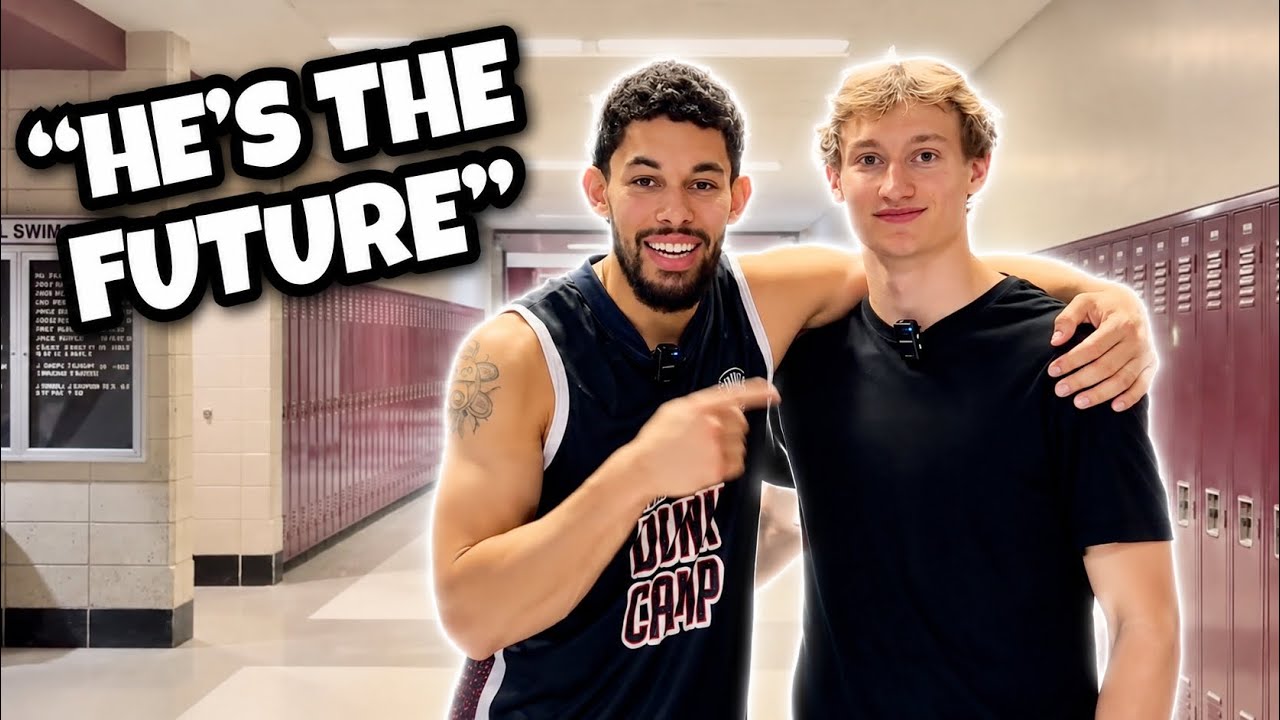
    “He’s the future, man. He is the future.”

    Isaiah Rivera

    I said thank you. That is all I could say in the moment. I have watched the clip back many times since then and I still do not have a better answer than thank you.

    People who do not follow dunking may not understand what Isaiah is to me. He is my favorite dunker and my inspiration. Before I ever competed anywhere, before anyone in the dunk world knew my name, he was the standard I was measuring myself against. When I started, he was the person on the screen. This is the second story in my series about the people I met at camp, and it is the one I was most nervous to write.

    The Advice I Actually Asked For

    I did not want to waste the moment on small talk, so I asked him the real question:

    “So Isaiah what’s your advice to, for example, me, like a person who wants to jump higher and to be one of the best dunkers like you?”

    Piotr Zawiślak

    He thought about it and gave me three things. The first one was the one I expected. Do not stop.

    “There’s gonna be bad days, there’s gonna be good days. Especially on the bad days, keep going.”

    Isaiah Rivera

    He talked about injuries too. He said getting hurt is part of the game, and that those are exactly the times you find a way around it instead of stopping. Then he said one line I have thought about almost every day since: “The obstacle is the way.” I have had bad training weeks in Poland where nothing works and my legs feel like they belong to someone else. That sentence helps.

    The second piece of advice surprised me, because it was not about jumping at all.

    “The pro dunking game, you gotta get good at social media. You gotta get good at marketing yourself. That’s a skill in and of itself, so master that.”

    Isaiah Rivera

    On camera you can hear me say “I know,” and I meant it. Two days before that conversation I had been sitting in a classroom at the same camp while Dylan Haugen and Dennis Yu taught all 76 of us the exact same thing. They audited every camper and showed us where we stood online. Then Isaiah, with no idea that session had happened, said it back to me in his own words. He also named the people who have done it.

    “all of us, myself, Jake Clark, Jordan Kilganon, 1FootGod, we all mastered the social media game as well.”

    Isaiah Rivera

    Every dunker on that list is someone I have studied. Hearing that the marketing side was not optional for any of them changed how I think about my own work. Dylan wrote up all three rules in more detail over at Isaiah Rivera’s three rules for young dunkers, and the classroom session that said the same thing first is documented in the repurposing system taught to 76 athletes.

    The third rule was the simplest and probably the hardest for me.

    “Enjoy the moments, man, ’cause we’re not gonna be able to dunk forever.”

    Isaiah Rivera

    I am 18. It is easy to feel like there is always more time, always the next contest, always a bigger dunk to chase. He is right that there is not. So I am trying to enjoy the sessions while they are happening, not only when I look back at them a year later.

    The 360 Underboth

    The part of the video I did not expect was what he noticed about my dunking. He brought up one specific dunk without me mentioning it.

    “I missed 360 Underboth a bunch of times. You hit it second try at a session.”

    Isaiah Rivera

    I did not know he was watching that closely. To me it was just a session. To him it was something he had been fighting for and missing, and I hit it on the second attempt while he was standing there. He kept going.

    “I can’t fathom even doing the stuff you’re doing at 18 years old.”

    Isaiah Rivera

    He said his first 360 Eastbay barely went down, and that his vertical at my age was nowhere near 44 or 45 inches. Then he said it made him feel old, which made everyone laugh, and then he said something more serious about what it means for the sport.

    “it also shows me how much the dunk game’s evolving.”

    Isaiah Rivera

    I like that framing better than any compliment about me personally. What I can do at 18 exists because Isaiah and the generation before him built the standard I grew up copying. If I am ahead of where he was, it is because he showed me the target.

    What It Feels Like to Dunk With Your Idol

    Dylan asked me directly how it felt to be dunking with someone who was my idol two years ago. My answer on camera was not complicated.

    “It was my dream, and I’m happy to be able to achieve this dream, and to make it happened.”

    Piotr Zawiślak

    Isaiah closed by telling me, “I’m excited to see what you’re doing when you’re our age,” and then he said he was glad I was there. I flew from Poland to Utah not knowing anyone. I left having dunked next to the person who made me want to dunk.

    This is also why I keep this website. A moment like that used to only live in my memory and maybe in a story I told my friends. Now it is on video, written down, and findable. Dylan explained why that matters for dunkers at what happens when your idol co-signs you, and the wider version for athletes in any sport is at the endorsement you cannot buy. If you care about the technical reason a public co-sign changes how Google and AI tools understand a person, that is covered in why an expert co-sign is an entity signal.

    Next in the Series

    If you want the full picture of that week, start with my week at The Dunk Camp, which is the first story in this series. The next one is about the road that got me here, from dunking on outdoor rims in Poland to competing on the international circuit: outdoor rims to the FIBA circuit.

    Isaiah gave me three rules. Never stop, master marketing yourself, and enjoy it. I am working on all three. The first one I already knew how to do. The second one I am learning, and this article is part of that. The third one is the one I have to remind myself about, usually right after I miss a dunk twenty times in a row.

  • My Week at The Dunk Camp Was One of the Best Weeks of My Life

    My Week at The Dunk Camp Was One of the Best Weeks of My Life

    Hi, I am Piotr Zawiślak. I am a professional dunker from Poland, I am 18 years old, and I am one of only 13 people in the world to earn The Dunk Camp Black Band, which is the highest rank in dunking. This is the first post on my new site, and I wanted it to be about something that meant a lot to me: my week at The Dunk Camp in Utah.

    For a long time I have watched dunk content coming out of the United States. The contests, the camps, the community. Getting the chance to fly over and be part of The Dunk Camp in person was something I had wanted for a while. I am from Poland and I compete all over Europe and the world, so being in a room full of American dunkers I had only seen online was special.

    One of the Best Weeks of My Life

    I will be honest, the week went better than I could have hoped. I got to dunk with so many talented people, including Nathan “Hoopin Nate” Kenney and the rest of the crew. Jordan was hyping me up, the room was going crazy after my dunks, and I felt the respect from people whose work I have admired for years. That is not something I take for granted. It was one of the best experiences I have ever had, and I am very grateful for the opportunity to dunk with all of them.

    My style is different from a lot of the American dunkers. That is part of what makes it fun. We all arrive at the same rim from different directions, and when you put us in one gym, everyone pushes each other higher.

    Meeting Dylan Haugen

    One of the people I was most happy to finally meet was Dylan Haugen. Dylan is 18 like me, our birthdays are only two days apart, and he is one of the best young dunkers in America. We had talked online, but meeting in person was different. He competes in American contests and in DunkMan, Shaq’s league, and I am out here in Europe doing contests around the world. Two different paths, same sport, same age.

    What he said about why he likes connecting with dunkers from other places stuck with me.

    “So super cool to always connect with people, who’s just different, man. The life, the things you do are super cool.”

    Dylan Haugen

    I feel the same way about him. You can read Dylan’s side of our meeting on his site, and we also sat down for a Dunk Talk conversation about linking up. It was awesome to finally meet him, and I am glad the whole thing is on video.

    What Is Next

    This site is where I will share my dunks, my contests, and my story going forward, from Poland to the rest of the world. Dylan and his team helped me get it started, and they explained the idea behind it in their breakdown of building my presence from one interview. It is part of the system they taught at The Dunk Camp. If you are a dunk fan who has not come across my dunks yet, there is a bit on why that is in this Dunker Spotlight feature. Watch the clip above, and thank you for being here for the first one.

  • How I Earned the Black Band: One of 13 in the World

    There is a list, kept by The Dunk Camp, of every dunker in the world who has earned the Black Band. It has 13 names on it. Mine is one of them, and I am the only one from Poland.

    If you do not follow dunking closely, that might not land yet. So let me explain what it actually means, because it is the single most important thing to understand about me as an athlete.

    Dunking has a black belt. It is called the Black Band.

    In martial arts, a black belt tells you someone has reached the highest level of the craft. Dunking has the same thing, and it is the Black Band. It is not handed out for one highlight or one viral clip. It is earned through consistency at the very top of the sport: the height, the control, and the difficulty of the dunks, done again and again.

    What it takes

    At 6′1″, I am not the tallest dunker in the world. What I have built is a vertical and a body of dunks that most people never land in their lives: 360s off both legs, behind the back, between the legs, and combinations of all of them. Reaching the Black Band meant proving I could do the hardest dunks in the sport, not once, but on demand.

    One of 13, and the only Pole

    Being one of only 13 people on earth to reach this level is something I do not take for granted. Dunking is a young, global sport, and I am proud to represent Poland at the very top of it. My goal now is simple: keep pushing what is possible off the floor, and bring more eyes to the sport from my side of the world.

  • Bringing Polish Hops to America

    Here is the road ahead. I am based in Poland, but the center of gravity for dunking right now is in the United States: the biggest contests, the biggest camps, and the biggest audiences. My plan is to close that distance.

    The plan

    LA, Dallas, Vegas, Miami. I want to bring my dunking to the stages and contests where the sport is growing the fastest, and show that world-class hops are not tied to any one country. Poland has produced an elite dunker, and I want to prove it on the biggest floors in the world.

    Why it matters

    Every time a dunker from outside the United States competes at the top level, the sport gets a little bigger and a little more global. That is the kind of dunking I want to be part of. This is the beginning of that journey, from Poland to America and beyond.

    Follow along

    The best way to follow the road ahead is on my social channels, where I post my newest dunks and everything leading up to the next contest.